Combat System Guide
Devil May Cry 5's combat system is one of the deepest in the action game genre. At its core is the Style Rank — a real-time grade of your combat performance that rewards variety, creativity, and aggression. This guide covers every system that feeds into mastering DMC5's combat, from basic mechanics to tournament-level techniques.
Style Rank System
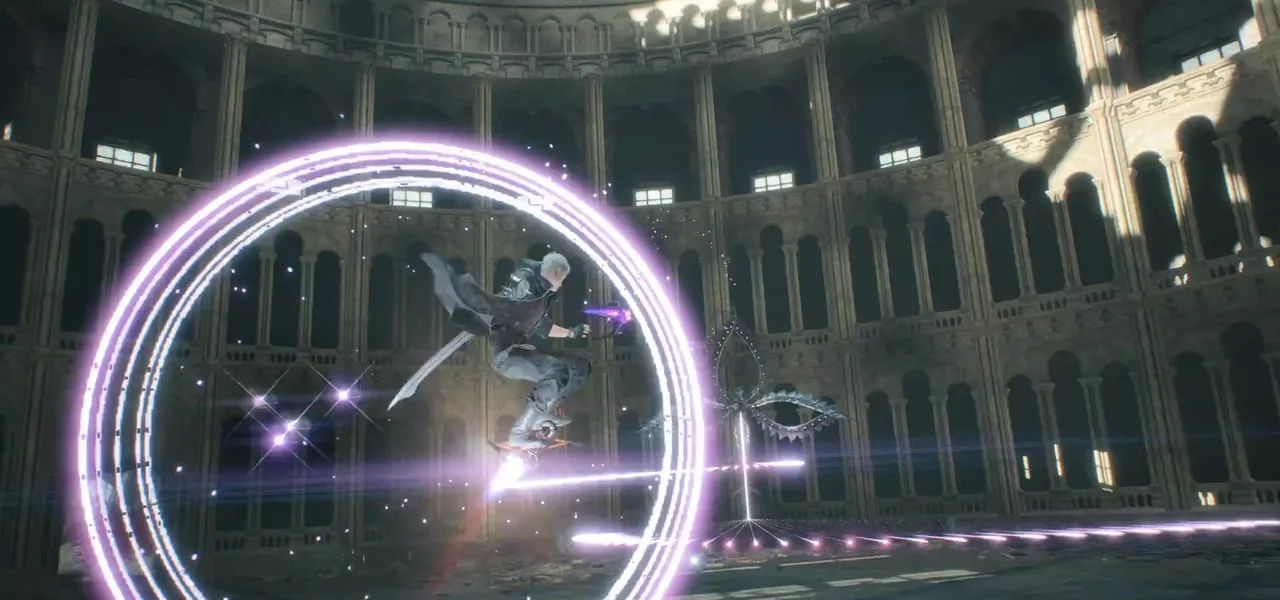
The Style Rank meter appears on the right side of the screen during combat, grading your performance from D ("Dismal") up to SSS ("Smokin' Sexy Style!!"). The rank rises as you land hits using varied attacks and drops when you take damage or repeat the same move. Each rank threshold requires increasingly creative play.
Rank Thresholds
The ranks are: D (Dismal) → C (Crazy) → B (Badass) → A (Apocalyptic) → S (Savage) → SS (Sick Skills) → SSS (Smokin' Sexy Style!!). Points accumulate per hit based on move variety, with heavy penalties for taking damage and a constant decay when not attacking.
How to Build Style Quickly
Use different moves — repeating the same attack gives diminishing returns. Switch weapons and Styles (as Dante) mid-combo for massive bonus multipliers. Taunts while at S rank or above are worth significant Style points. Air combos generally score higher than ground combos. Enemy Step (jumping off an enemy mid-air) resets your aerial options and is the single most important advanced technique for Style building.
Style Rank and Mission Score
Your average and peak Style Rank across a mission directly affects your end-of-mission grade. Combined with Time and Damage Taken, Style forms one-third of the final S-rank criteria. Maintaining SSS for extended periods during boss fights is the fastest path to mission S-ranks.
Devil Trigger
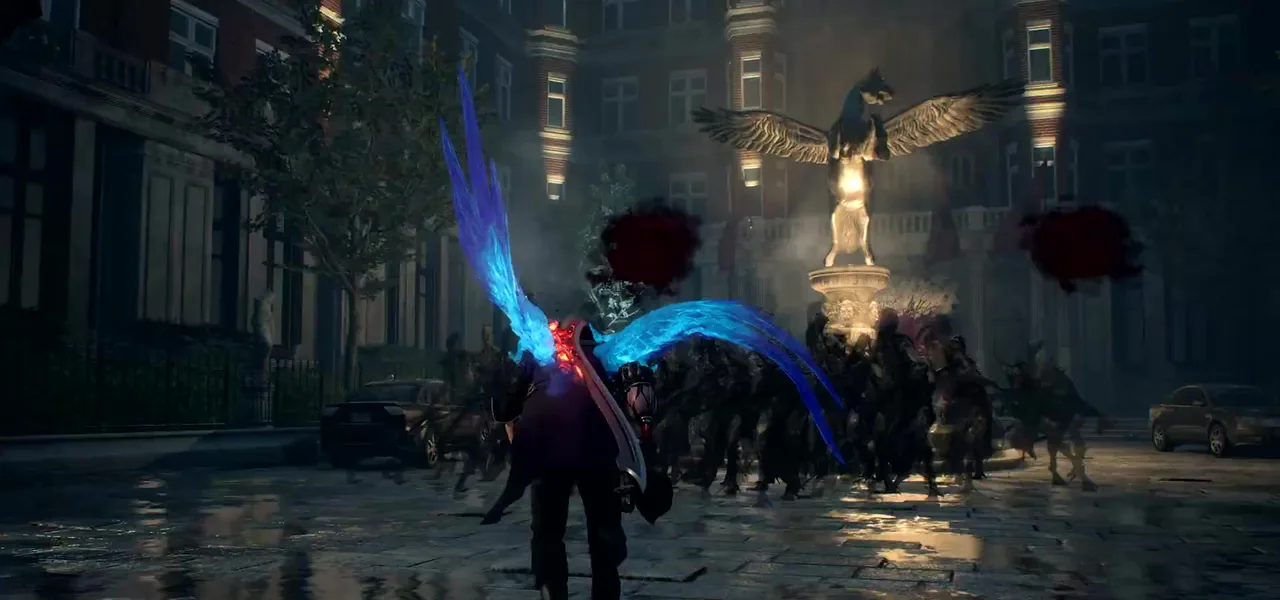
Devil Trigger (DT) is a transformation that empowers your character with increased damage, speed, and passive health regeneration. Each character's DT works differently.
Building the DT Gauge
The DT gauge fills by dealing damage, taking damage, and taunting. Higher Style Ranks increase DT gauge gain. V can also read his book (taunt) to build DT faster. The gauge is shared between standard DT and special moves that consume DT segments.
Standard Devil Trigger
Nero gains his DT in Mission 20 (spectral wings and claws). Dante can activate DT at any time once available (red demon form with enhanced movesets). V summons Nightmare as his DT. Vergil enters a blue spectral demon form. All DT forms drain the gauge steadily while active.
Sin Devil Trigger (Dante & Vergil)
A separate, more powerful transformation with its own gauge that charges very slowly. Dante's SDT form gains flight and devastating unique attacks. Vergil's SDT dramatically increases his speed and allows instant Judgement Cut End. SDT drains rapidly and should be used strategically for burst damage.
Advanced Techniques
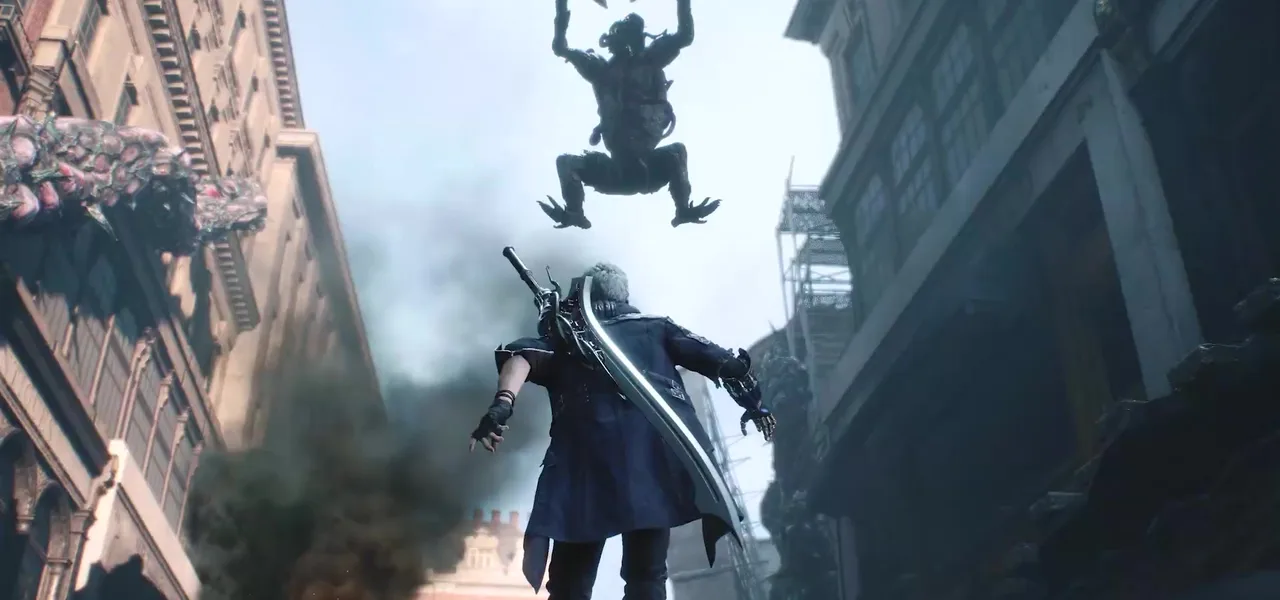
These are the techniques that separate casual play from high-level DMC5 mastery.
The most fundamental advanced technique. By using Enemy Step (jumping off an enemy) during an aerial attack animation, you cancel the recovery frames and can immediately start another attack. This allows infinite aerial combos, massive Style gain, and keeps enemies helplessly juggled. Practice with Nero's aerial Streak or Dante's aerial Rave first.
Certain moves preserve or redirect your momentum in the air. For example, initiating a move while moving laterally carries that momentum into the move. Understanding inertia lets you control aerial positioning precisely — essential for keeping enemies in your combo range.
By using Royal Guard's block in the air repeatedly, Dante can maintain altitude indefinitely. Combined with Style switching, this enables extended aerial sequences impossible with normal jumps.
Pressing the Exceed button at the exact moment Nero's Red Queen attack connects instantly charges one Exceed level. Mastering this timing means every hit becomes an Exceed hit, dramatically increasing Nero's damage and combo potential. The window is tight — roughly 2-3 frames depending on the move.
A perfectly timed dodge (just before an attack lands) that gives Nero a burst of speed and invulnerability. Functions like a Royal Guard parry but for Nero, and builds Style Rank quickly.
Releasing the Judgement Cut button with precise timing produces a 'perfect' cut with more hits and much higher damage. At max Concentration, a perfect JC is one of the most efficient single moves in the game.
Difficulty Modes
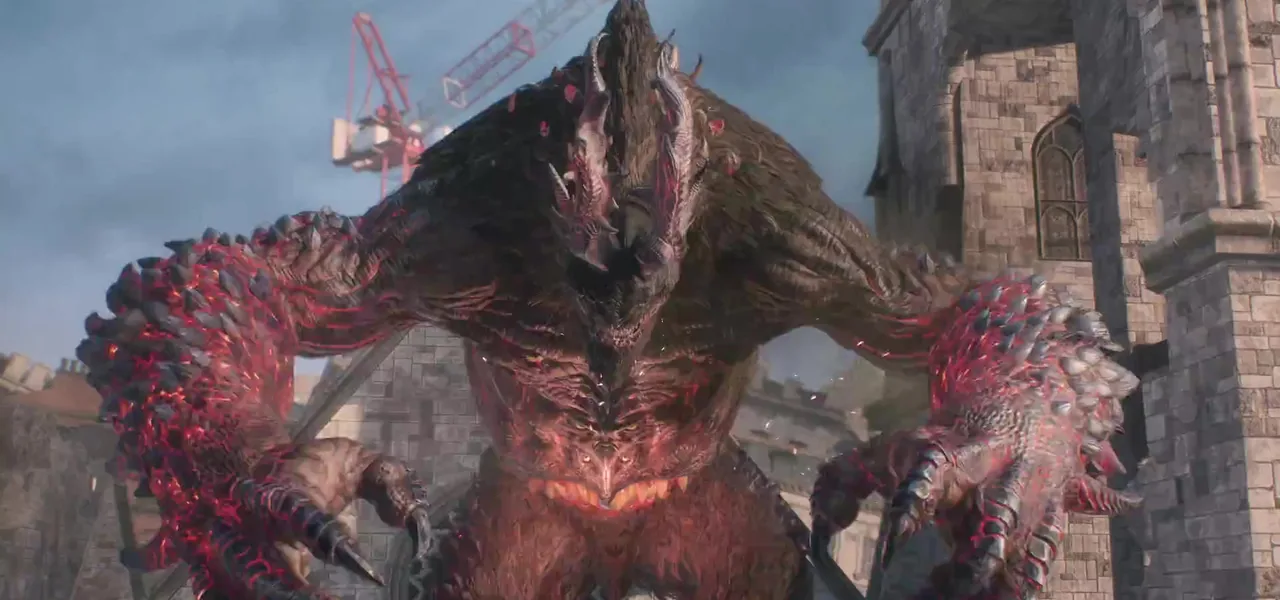
DMC5 offers six difficulty modes that fundamentally change the combat experience.
| Difficulty | Unlock | Key Changes |
|---|---|---|
| Human | Default | Enemies deal minimal damage, rarely attack, low health pools. Ideal for story-focused players. |
| Devil Hunter | Default | Standard difficulty. Balanced enemy aggression and damage. Recommended for first playthrough. |
| Son of Sparda | Clear Devil Hunter | Enemies remixed: tougher variants appear earlier, new enemy combinations. DT-using enemies. |
| Dante Must Die | Clear Son of Sparda | Enemies eventually Devil Trigger if not killed fast. Boss health and damage significantly increased. The true test. |
| Heaven or Hell | Clear Son of Sparda | Everything dies in one hit — including you. A puzzle of positioning and priority. |
| Hell and Hell | Clear Son of Sparda | Enemies have DMD-level health, but you die in one hit. Three lives per checkpoint. The ultimate challenge. |
Bloody Palace
A 101-floor survival gauntlet and DMC5's primary endgame mode. Each floor presents a wave of enemies (or a boss) with a time limit. Your time carries across floors, and clearing faster earns bonus seconds.
Floor Structure
Floors 1–19 feature standard enemies with increasing difficulty. Floor 20 is the first boss (Goliath). Bosses appear at floors 20, 40, 60, 80, and 90. Floors 98–101 feature the final boss gauntlet (Elder Geryon Knight → Cavaliere Angelo → King Cerberus → Vergil/Urizen). The floor layout is partially randomized per run.
Tips for Completion
Manage time aggressively — kill fast rather than stylishly. Prioritize high-threat enemies (Fury, Riot, Proto Angelo). Save Devil Trigger for dense floors and bosses. For Dante, Dr. Faust Red Hot Night can clear entire floors instantly. For Vergil, Judgement Cut End trivializes most encounters. Nero should stockpile Rawhide and Buster Arms for crowd control and boss damage.
Mission Scoring & S-Ranks
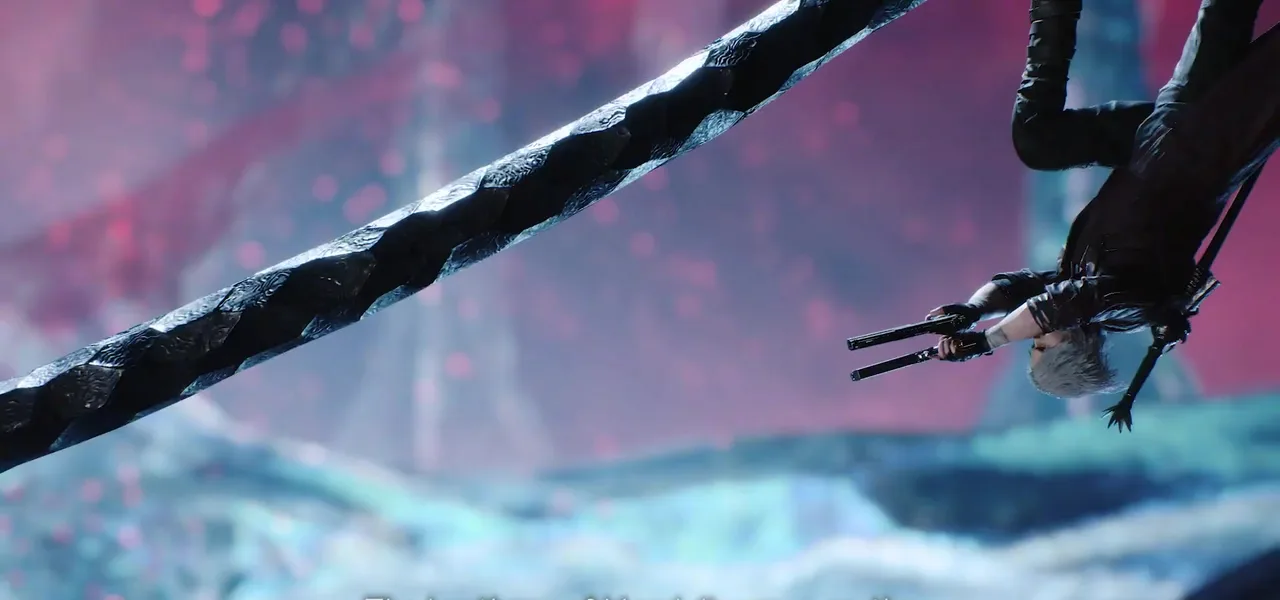
Each mission is graded across three criteria: Style Points (average/peak combat rank), Time (completion speed), and Damage Taken (less is better). All three must be at S-rank level to earn an overall S.
S-Rank Requirements
Style: Maintain high Style Rank (SS/SSS) during most combat encounters. Time: Varies per mission — skip cutscenes and know the route. Damage: On Human/Devil Hunter, you can take moderate damage. On higher difficulties, the threshold tightens. Using Gold Orbs to revive does not void S-rank, but costs points. Super costumes disable S-rank eligibility.